Original Findings
Where water entered, how far it spread, and what was wet when we opened the roof.
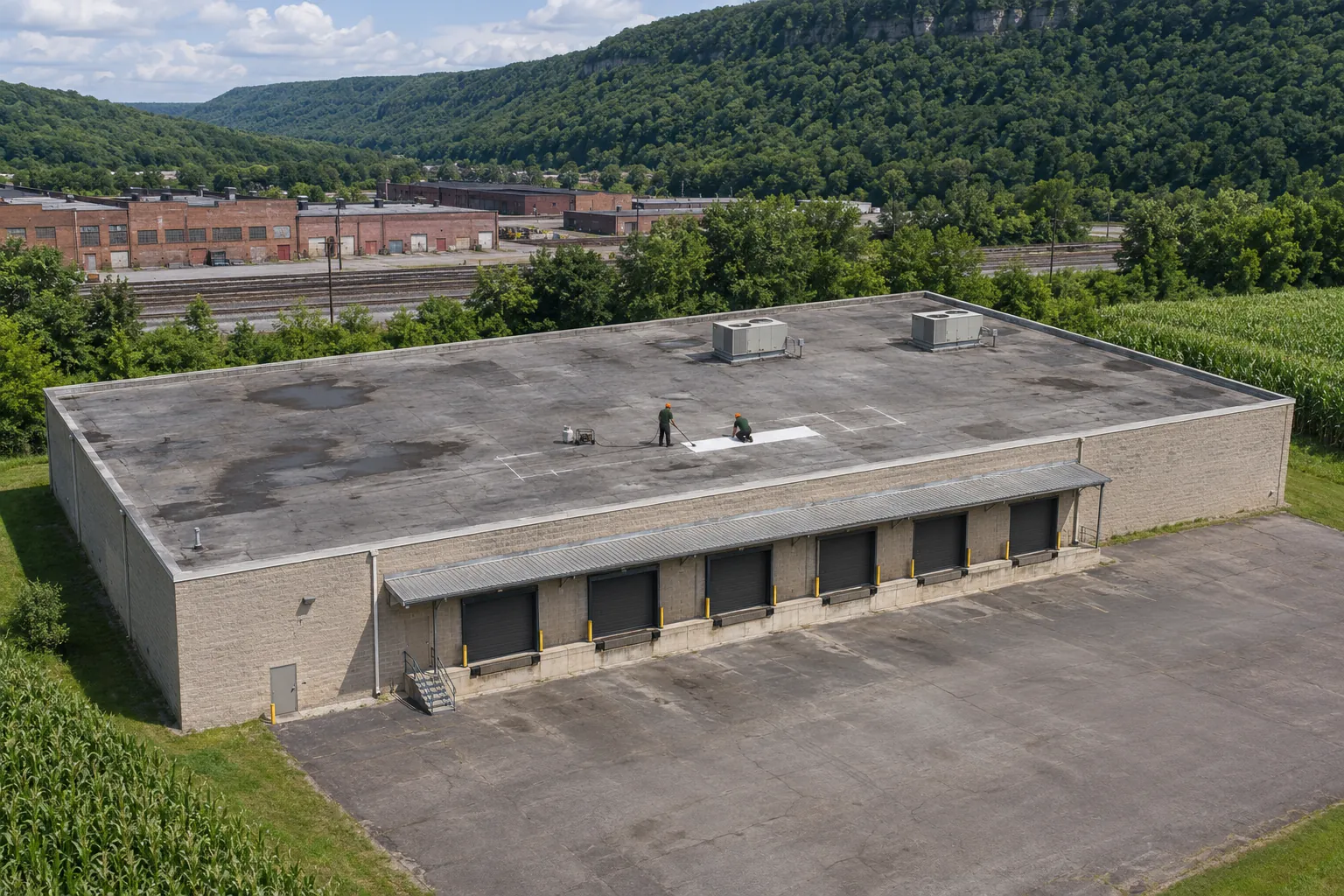
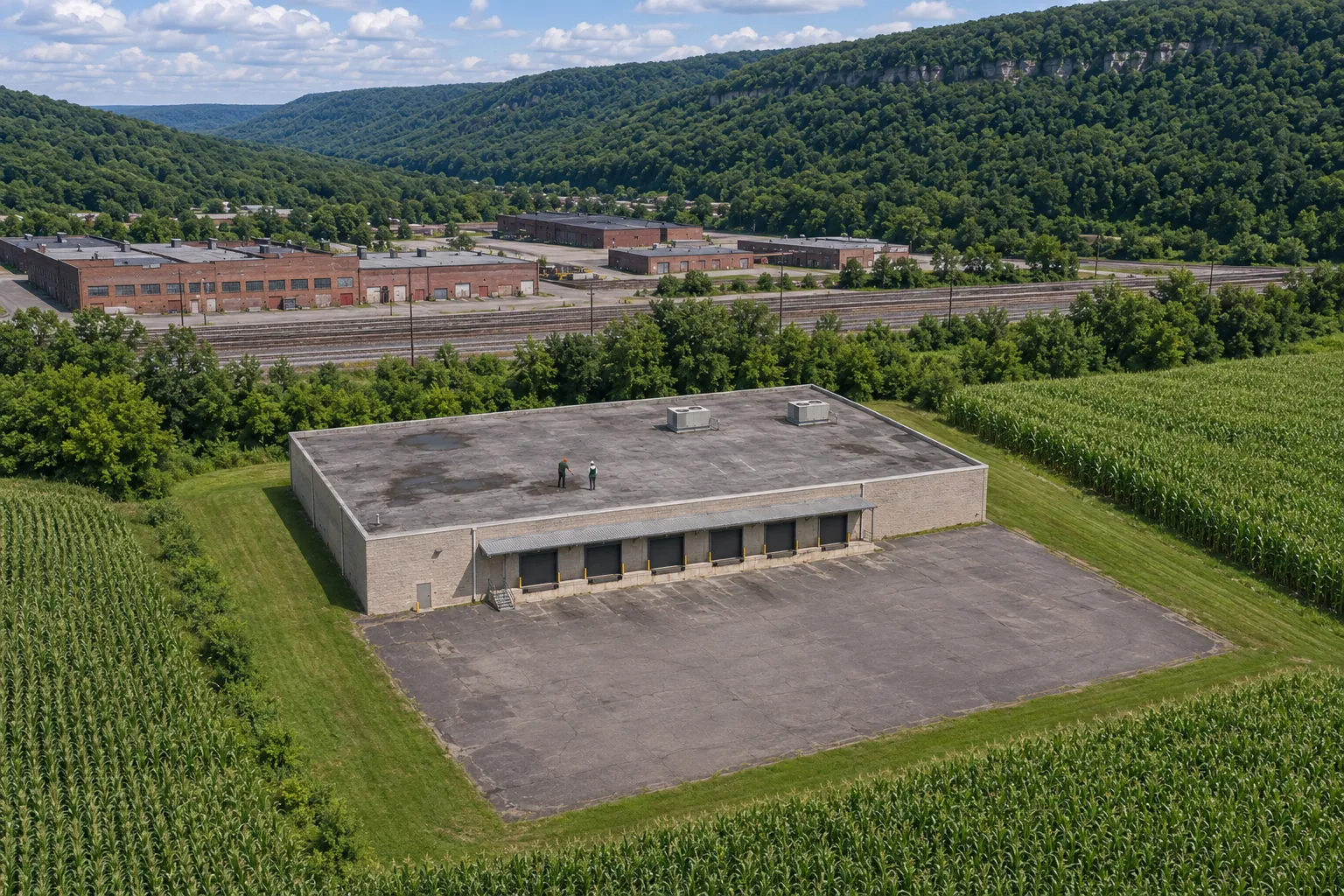
As a Huntingdon commercial roof repair contractor, we repair business roofs in Huntingdon, PA and leave a written record to check later drips against.
Huntingdon commercial roof repair is easier to judge later when the findings and the finished work are written down.
Every job here ends with a record: what we found, the repair scope, and photos of the finished work. If moisture shows later, it gets checked against that record.
Continued dripping can come from water trapped in the roof layers or a separate source, so owners should note when it shows and the weather that day before assuming the repair failed.
Owners often call back with one of these questions. Here is how we read them on the roof.
Water trapped in the insulation can keep draining after the opening is closed.
Compare timing with the record, core-cut near the drip, and check whether it is drying out.
A second opening elsewhere on the roof has started to leak.
Trace it as a new leak and add it to the record beside the first one.
Meltwater reaches laps and flashing that the original rain leak never touched.
Check the meltwater path at edges and drains and repair any openings it reached.
Patches from past visits hide the original failure and its fix.
Photograph and log every earlier patch so future checks have a starting point.
Water held in the roof over winter drains slowly once the weather warms.
Check the record for the area, take new readings, and replace the insulation still holding water.
A record makes the repair-or-replace call easier the next time. This is how the two compare.
| Roof Factor | Repairing With a Record | Replacing the Roof |
|---|---|---|
| Leak history | One or two logged openings | Many openings logged over time |
| Later drips | Checked against the record first | Handled under the new roof |
| Huntingdon commercial roof repair cost | Set by the openings and wet areas found | Set by the full roof area |
| Paperwork | Findings, photos, and dates kept | Project documents for the new roof |
| Decision point | Clear when leaks start repeating | When the record shows repairs spreading |
Four things we record on every Huntingdon repair.
Where water entered, how far it spread, and what was wet when we opened the roof.
Every repaired drain, lap, or flashing area photographed after it closed.
Rain, snowmelt, or wind on the day of any later drip, noted by the owner.
Follow-up readings near the repair to see whether trapped water is leaving.
One person at the business holds the repair file, so later calls start from the same history.
Each old patch gets logged by location so future leaks can be compared with it.
It can be trapped water or a second source. Call us and we will check it against the record.
The work order for a Huntingdon repair, including the record you keep.
Any earlier invoices, photos, or notes help us see what has already been tried.
The leak path, wet areas, and earlier patches get photographed as we trace them.
Openings and wet layers are fixed with material matched to the roof.
You receive the findings, scope, and finished photos in one document.
If moisture shows again, we check its timing and weather against the record before more work.
Roof repairs also run in these towns. Not on the list? Call us or send us a message.
Railcar shops, grocery warehouses, and church halls.
Commercial roof repair in AltoonaAnswers for Huntingdon owners about records, later drips, and cost.
Watch the original leak spot under similar weather and building use, and note the date and conditions. We keep the findings and the finished scope, so any later moisture gets checked against them, since dripping can come from trapped water or another source.
The openings found, how much insulation is wet, the roof system, and access. We price after the inspection and list each item in the scope.
Yes. We plan ladder access for buildings without a hatch and set it away from doors and walkways.
Repeat leaks are where a record helps most, and we take them in Huntingdon. Call us with any earlier repair notes and we will start from them.
Dated photos of the ceiling stain, taken before the repair and again after the first storms, make it easy to see whether it grows, stays the same, or dries out.
The leak location inside, the entry point on the roof, core-cut results, the repair scope, finished photos, and the date. With those in one file, any later drip can be checked quickly.
Look after the first good rain or thaw, then again after the next storm or snowmelt, ideally from the same spot under the old stain. Note the date, the weather, and whether the stain grew, stayed the same, or dried, and keep those notes with the repair record.
Send us your earlier repair notes and where the water shows now. Call (814) 679-7746 or request an estimate.